What is GEWA CRO?
is an independent association of vehicle and boot wrapping professionals. Vehicle and boot wrapping and bonding is our passion. That is why we are committed to high quality standards and service in the field of vehicle wrapping on the Croatian market. As an end consumer, you benefit from this. For example, through our technical standards, which are laid down in the GEWACRO guidelines. Reliability and solid craftsmanship are important aspects of our professional ethics. This also includes competent and professional advice for all customers from us as industry representatives.
The GEWACRO seal of quality was established to ensure that film applicators throughout the industry comply with professional processes and procedures. The GEWA seal of quality comprises a ten-point qualification and testing system and certifies only the best companies in the field of vehicle film application. As a consumer, you also benefit from this. Our member database quickly connects you with a film application professional in your area. Our price calculator helps you to create a realistic budget for your film application project.
In this sense, GEWACRO is not only a point of contact for the general public, the media and industry consultants on matters relating to the film application trade. We also see ourselves as pioneers and trendsetters for the entire industry. Our broad network includes all players in the industry. Third parties, including major film manufacturers, are also convinced of our activities and are not afraid to testify to this.
GEWACRO operates sustainably. We train our members regularly and support them with expert advice and expertise. With this in mind, we also train the next generation. In this way, we teach uniform processes and procedures and the GEWACRO philosophy from the ground up, contributing to reliable service across the industry.
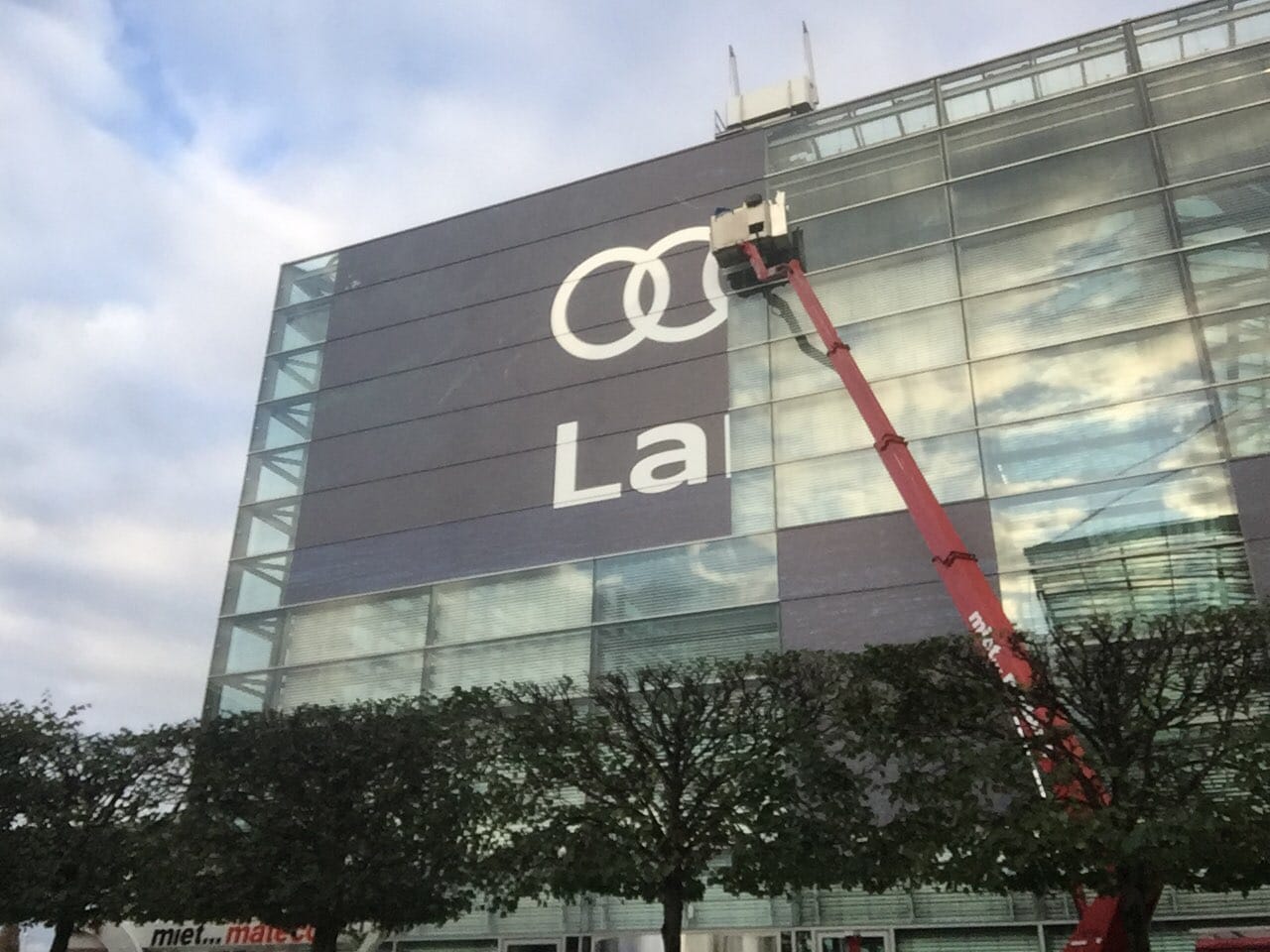
Car wrapping: Refers to a coloured full wrap that is applied with the aim of changing the colour of the vehicle for a certain period of time. Car wrapping films are usually dyed or digitally printed PVC films. These films offer a certain degree of paint protection, for example by protecting the paintwork from minor mechanical stress (such as that encountered in a car wash) and UV weathering. However, this protection is more of a pleasant side effect of car wrapping.
Paint protection film (PPF): Reliable film applicators use special transparent PU films for PPF. PPF reliably protects your paintwork against stone chips, etc., even at high speeds. Film applicators also refer to PPF as ‘technical film’. This type of film offers a very high level of protection against dirt, stone chips and scratches for many years.
Coloured paint protection film TPU (thermoplastic polyurethane) is considered a modern material, especially when it comes to elastic and durable products for technologically sophisticated solutions.
In contrast to classic car wrap films made of PVC (vinyl), TPU films naturally have significantly better UV stability and weather resistance. They also have superior properties in terms of elasticity and impact resistance, i.e. general resistance to mechanical stress (e.g. stone chips). Another impressive feature is the excellent surface quality, which also has ‘self-healing’ properties. TPU is also considered to be significantly more environmentally friendly than PVC.
The GEWA CRO Advantage for You
Guaranteed Quality
The GEWACRO Seal of Quality ensures that your chosen applicator meets the highest industry standards. Our seal is only awarded to the best companies that pass a rigorous ten-point qualification and testing system, guaranteeing that reliability and solid craftsmanship are at the core of their work.
Find a Local Professional
Our member database is the fastest way to connect with a certified and trusted film application professional in your area.
Realistic Budgeting
Take the guesswork out of pricing. Our price calculator helps you create a realistic budget for your film application project before you even begin.
Professional Advice
Our members are not just technicians; they are industry representatives who provide competent and professional advice to every customer.
How can I recognise a professional vehicle wrapper?
What does a workshop with good technical infrastructure look like? What distinguishes a technically sound vehicle wrap? How can I recognise wrapping work that I should complain about? We have also asked ourselves all these questions within our association. The answers have resulted in a standard work for quality requirements in the vehicle wrapping industry: the GEWACRO standards and guidelines. This document sets out our strict quality requirements for wrapping and its surfaces. These quality specifications can be used to assess the wrapping trade objectively and professionally.
The wrapping technology specifications cover the following points:
- General
- Vehicle sections
- Particle inclusions
- Air bubbles
- Scratches
- Corners and edges
- Seals and detailed work
- Creasing
- Tears and cuts in the film
- Adhesive breaks
- Gloss or matt finish
- Overlaps and inserts
- Paint cuts
The GEWACRO guidelines communicate our expectations within the industry. We also provide you, the consumer, with a reliable reference that you can use to distinguish between professional and less professional vehicle wraps. Compliance with these guidelines is monitored by the GEWACRO quality seal. Only film applicators who meet all the criteria receive the highly recognised certificate.
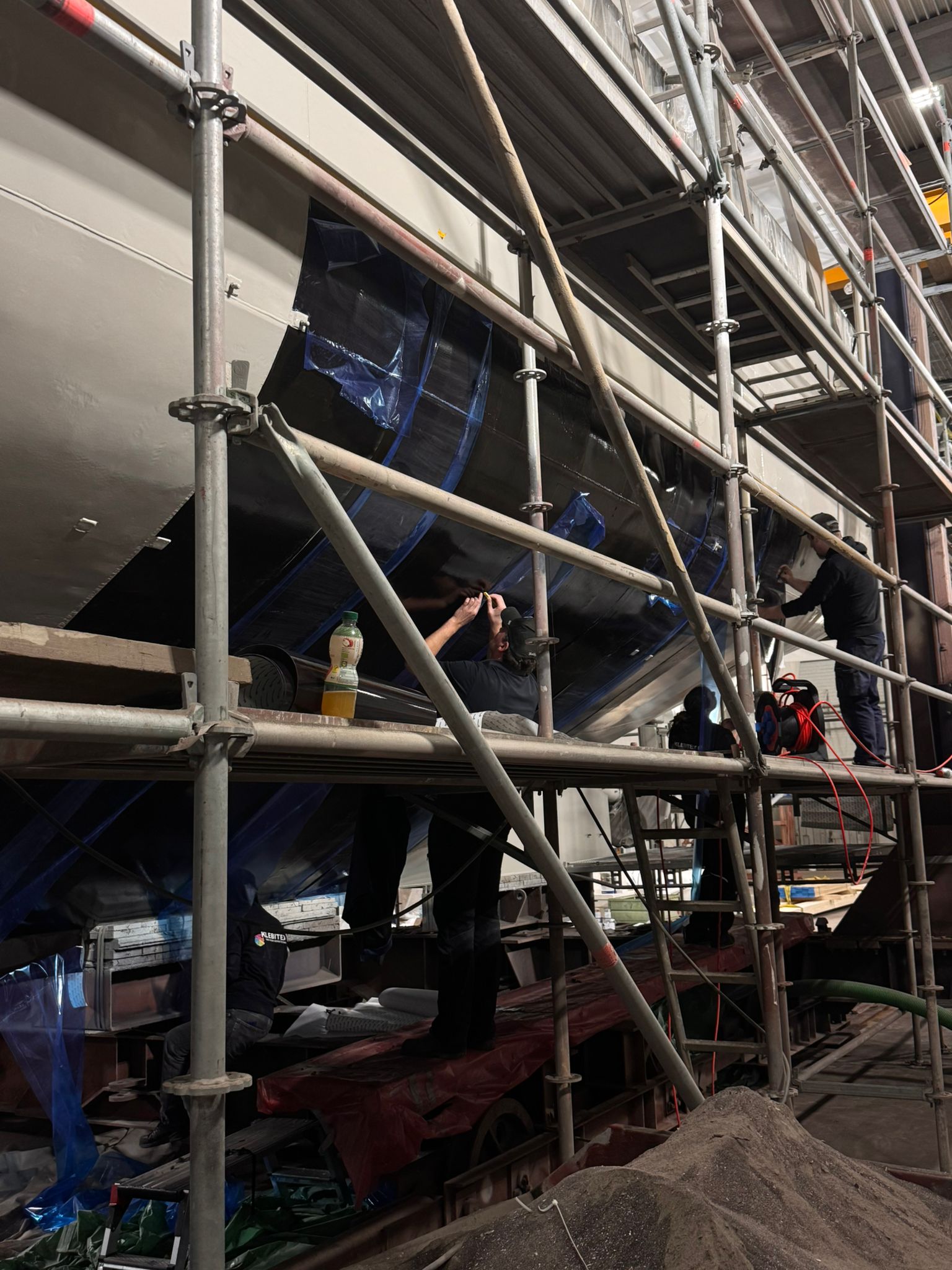
BOAT WRAPPING
Whether I wrap a car or not is up to me.
Some people do it to change the colour or follow new trends. Advertising is certainly another strong reason: to always be visible to people.
Boat wrapping is a different story. I do it to protect my property and preserve it.
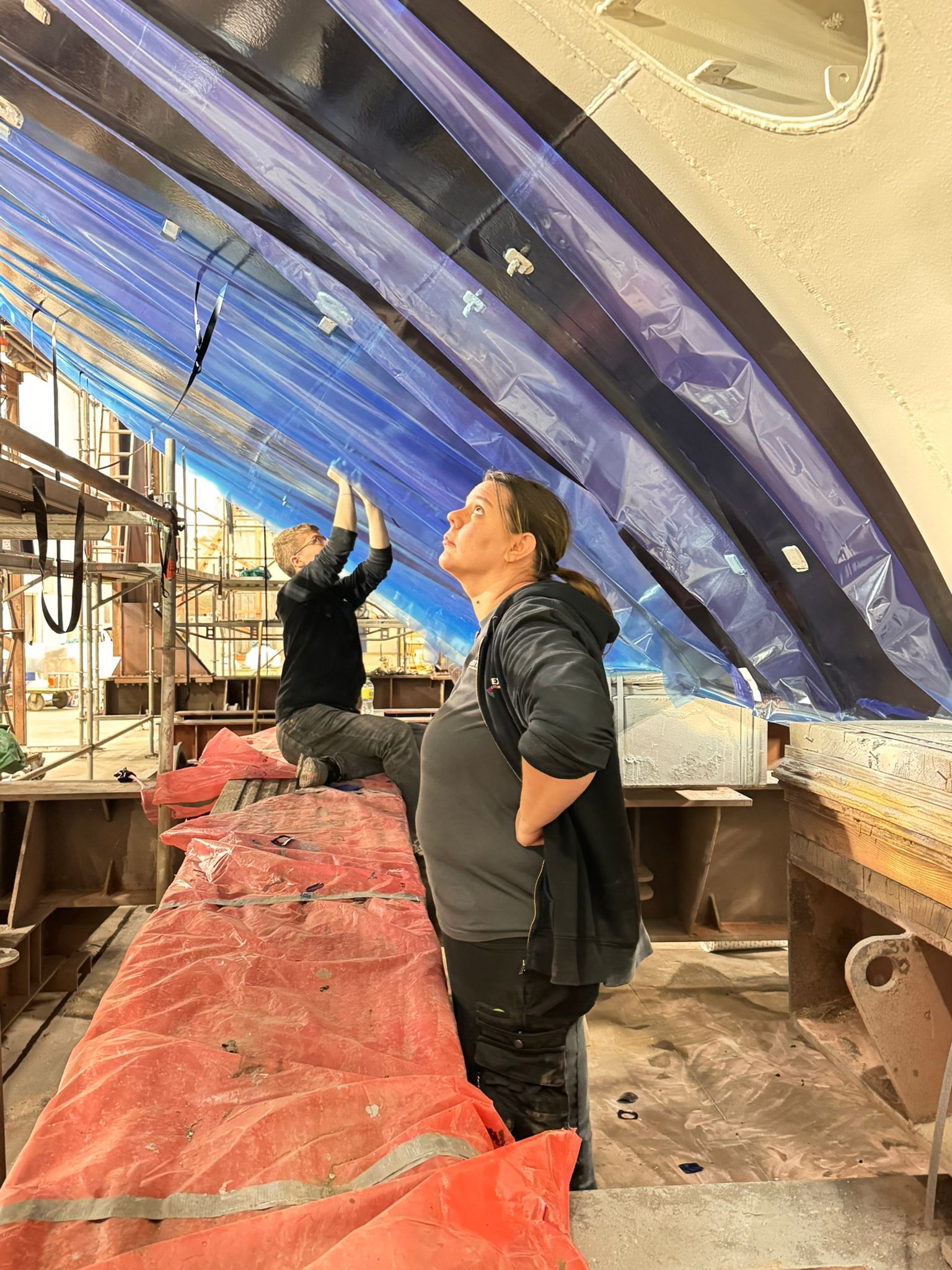
On a boat, we have three different segments that are suitable for wrapping.
The deck, hull and underwater hull.
No wrap used on these three different segments has anything in common with the others. Except for the denominator: wrap.
The interior of the boat is a story in itself. And, of course, the film installer must not apply film to the boat if they do not have the appropriate certificate.
There are various options when it comes to choosing film for the hull.
In the underwater area, we at GEWACRO only recommend the Hatag patented system. We cannot say whether something new will come onto the market. Only time will tell. There have been several attempts in the last 15 years, but none where customer satisfaction is evident.
BUT
Since 2025, the sale of biocide-containing antifouling products has been subject to a consultation requirement, meaning that customers are no longer allowed to select these products themselves, but must seek advice from trained personnel. This consultation, which must also be conducted online via video or telephone, provides information on safe use, risks, storage and disposal. In addition, buyers may have to prove their expertise or intended use to ensure that they use the product in an environmentally friendly and safe manner.
What has changed since 2025
No more self-service:
The sale of antifouling products containing biocides is no longer possible on a self-service basis.
ADVICE REQUIREMENT
customers will only be given access to the products after a consultation.
Expertise of sales staff:
Only knowledgeable persons who have passed a corresponding examination in accordance with Section 11 of the Chemicals Prohibition Ordinance may dispense the products.
‘Dispensing consultation’:
A mandatory consultation is required.
Proof of customer requirements:
Customers may be required to prove their personal suitability for using the product, for example by presenting a boat licence.
Also applies to online trade:
The consultation must also take place by telephone or video for online sales.
Contents of the sales consultation
The consultation should provide customers with comprehensive information and cover all aspects of use and disposal. Topics include:
- The correct and safe use of the product.
- The risks of use and how to minimise them.
- Precautions for safe use.
- Proper storage and disposal.
- What to do in the event of an accident.
AIM OF THE NEW REGULATION
The aim of these measures is to ensure the safe and environmentally sound use of biocidal products. Training sales staff and informing customers is intended to ensure that the best decision is made for environmental protection and boat preservation
Become a Member